Political temperatures rose in Kolkata after the Enforcement Directorate conducted raids at IPAC’s city office. Trinamool Congress leader Abhishek Banerjee questioned the timing and intent of the action. He strongly defended Chief Minister Mamata Banerjee and accused central agencies of political targeting. The BJP rejected the allegations and defended the probe. The controversy has added fresh tension ahead of crucial Assembly elections in 2026. Analysts say the issue could reshape campaign narratives, deepen political polarisation, and influence voter perception across West Bengal’s tightly contested political landscape.
Key Takeaways
- ED conducted raids at IPAC’s Kolkata office
- Abhishek Banerjee defended Mamata Banerjee
- TMC alleged political targeting by central agencies
- BJP rejected allegations and defended the probe
- Issue adds tension ahead of Assembly elections
- Debate raises questions on federal balance and agency independence
Overview
West Bengal’s political climate has sharpened after ED officials carried out searches at the IPAC Kolkata office. The action triggered swift reactions from the Trinamool Congress leadership. Abhishek Banerjee issued a strong statement backing the Chief Minister. He questioned the intent behind the investigation and alleged political pressure. The party termed the move an attack on democratic processes.
The development comes at a sensitive moment as preparations intensify for the West Bengal Elections 2026. The ruling party believes the controversy is meant to distract from governance and influence public opinion. The BJP denied interference and maintained that agencies act independently. With campaign strategies gaining momentum, the issue has widened debates on agency autonomy, federal balance, and election fairness. Political observers and politicians say the fallout may significantly shape voter sentiment in the months ahead.
Political Context Ahead of West Bengal Elections 2026
The state is witnessing heightened mobilisation ahead of the polls. The contest is expected to be closely fought. Issues of governance, federal relations, and institutional independence dominate Bengal political news.
The Trinamool Congress aims to retain power with a strong welfare and regional pride narrative. The BJP continues aggressive expansion efforts. Against this backdrop, agency actions attract intense political scrutiny. Analysts say such developments often influence campaign tone and voter trust.
Details of ED Raids at IPAC’s Kolkata Office
The ED raids in Kolkata were conducted early in the day and lasted several hours. Officials examined documents and digital records. Sources said the probe relates to financial compliance matters.
The IPAC Kolkata office raid involved questioning staff members. No arrests were reported. The agency has not disclosed detailed findings yet. Officials maintained that procedures followed legal protocols.
Abhishek Banerjee Defends Mamata Banerjee
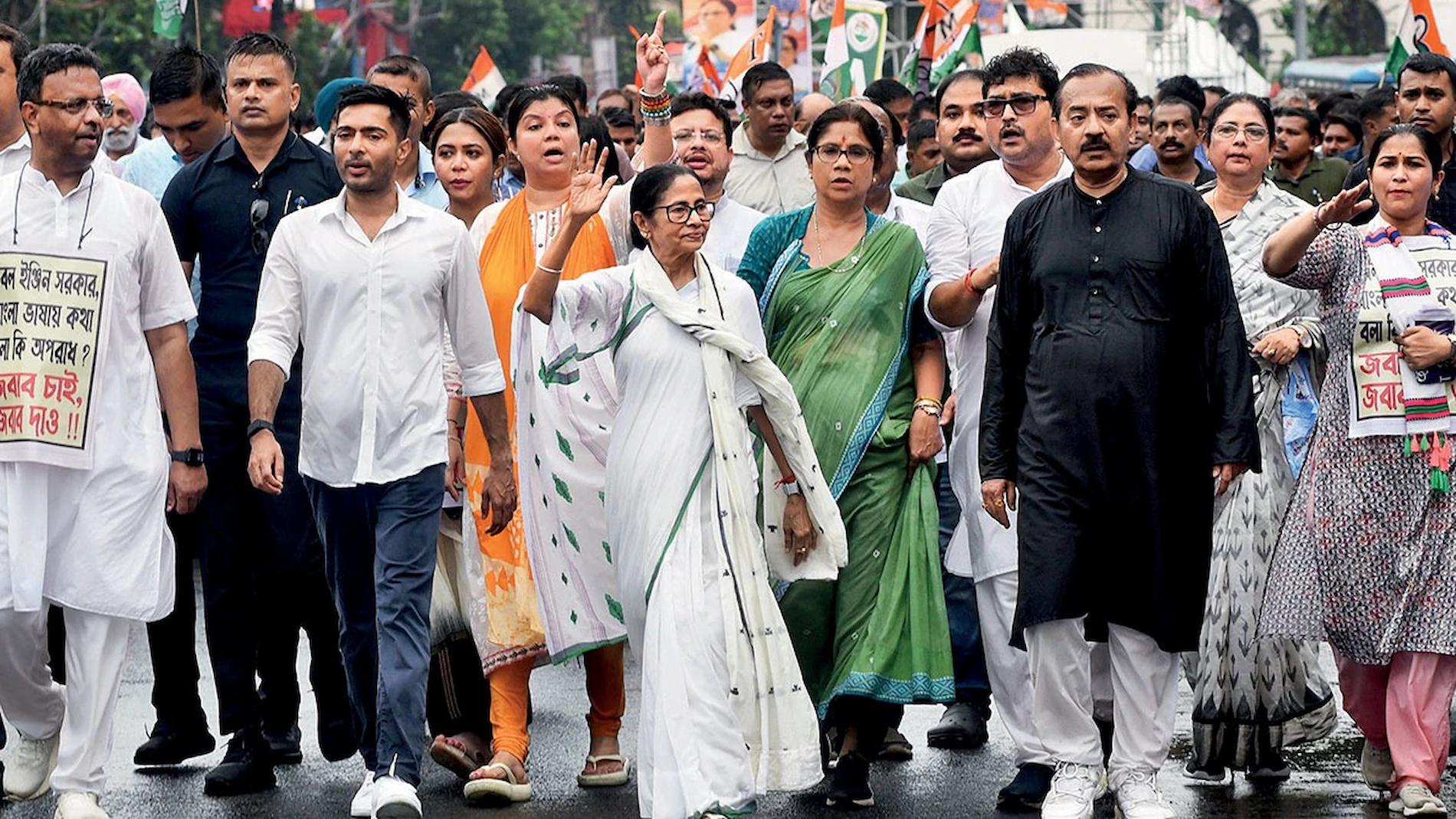
Abhishek Banerjee offered firm Mamata Banerjee support after the searches. He described the move as politically motivated. He said central agencies were being used to intimidate opponents.
In his remarks, he accused the Centre of undermining democratic competition. He urged party workers to remain focused. The Trinamool Congress reaction framed the raids as an attempt to weaken election planning.
Allegations of Political Vendetta
TMC leaders alleged misuse of investigative agencies. They called the action a clear case of political vendetta allegations. Party spokespersons demanded transparency from authorities.
The BJP rejected these charges. Leaders said the Enforcement Directorate action followed legal evidence. They accused the ruling party of deflecting accountability. The clash intensified the controversy over the central agencies’ controversy nationwide.
Mamata Banerjee and Party Stand
Chief Minister Mamata Banerjee avoided detailed comments. Senior leaders spoke on her behalf. They reiterated faith in constitutional institutions.
The party said governance would not be disrupted. Officials stressed commitment to public welfare. The leadership framed the episode as a test of federal principles.
IPAC’s Role in Election Strategy
IPAC is among the leading election strategy consultants in India. It assists parties with data analysis and campaign planning. Its association with major parties has drawn attention earlier.
Political analysts say such firms play growing roles in modern elections. The raid has sparked debate on the limits of scrutiny and professional independence.
BJP and Opposition Responses
The BJP defended the probe and accused TMC of politicising investigations. Leaders said the law applies equally to all.
Opposition parties offered mixed reactions. Some expressed concern over timing. Others stressed the need for lawful processes. The debate widened the BJP vs TMC Bengal confrontation.
Legal Framework and Due Process
Experts explained that ED actions follow statutory provisions. Agencies require authorisation and judicial oversight. Searches must meet legal thresholds.
However, critics argue that timing matters in democracies. Legal scholars called for transparency. They emphasised protecting institutional credibility during election periods.
Impact on Voter Perception and Campaign Narrative
The controversy is influencing campaign messaging. TMC leaders portray themselves as victims of overreach. The BJP highlights accountability themes.
Voter perception may vary across regions. Urban voters closely track agency actions. Rural voters focus on welfare delivery. Analysts say narratives could shift as elections near.
Federalism and Agency Independence
The episode has revived debates on federal politics in India. State leaders argue for respecting autonomy. Central leaders stress national accountability.
Civil society voices called for balanced institutional conduct. They urged safeguarding democratic norms. The discussion reflects wider concerns across states.
Electoral Significance Ahead of 2026 Polls
With campaigning intensifying, every issue gains weight. The controversy may energise party cadres. It may also deepen polarisation.
Political observers note that trust in institutions affects turnout. The episode could shape alliances and messaging strategies statewide.
Public and Media Reactions
Media debates dominated prime-time discussions. Analysts offered divided opinions. Some saw political signalling. Others focused on procedural legality.
Public response on social platforms reflected sharp divisions. Many demanded clarity and accountability. Others emphasised the rule of law.
Conclusion
The IPAC raid controversy has become a flashpoint in West Bengal politics. It underscores deep mistrust between the Centre and the state. As elections approach, the issue may influence narratives, alliances, and voter confidence. How institutions handle the aftermath will be closely watched.
Follow our updates for verified developments shaping the West Bengal Elections 2026 political landscape.