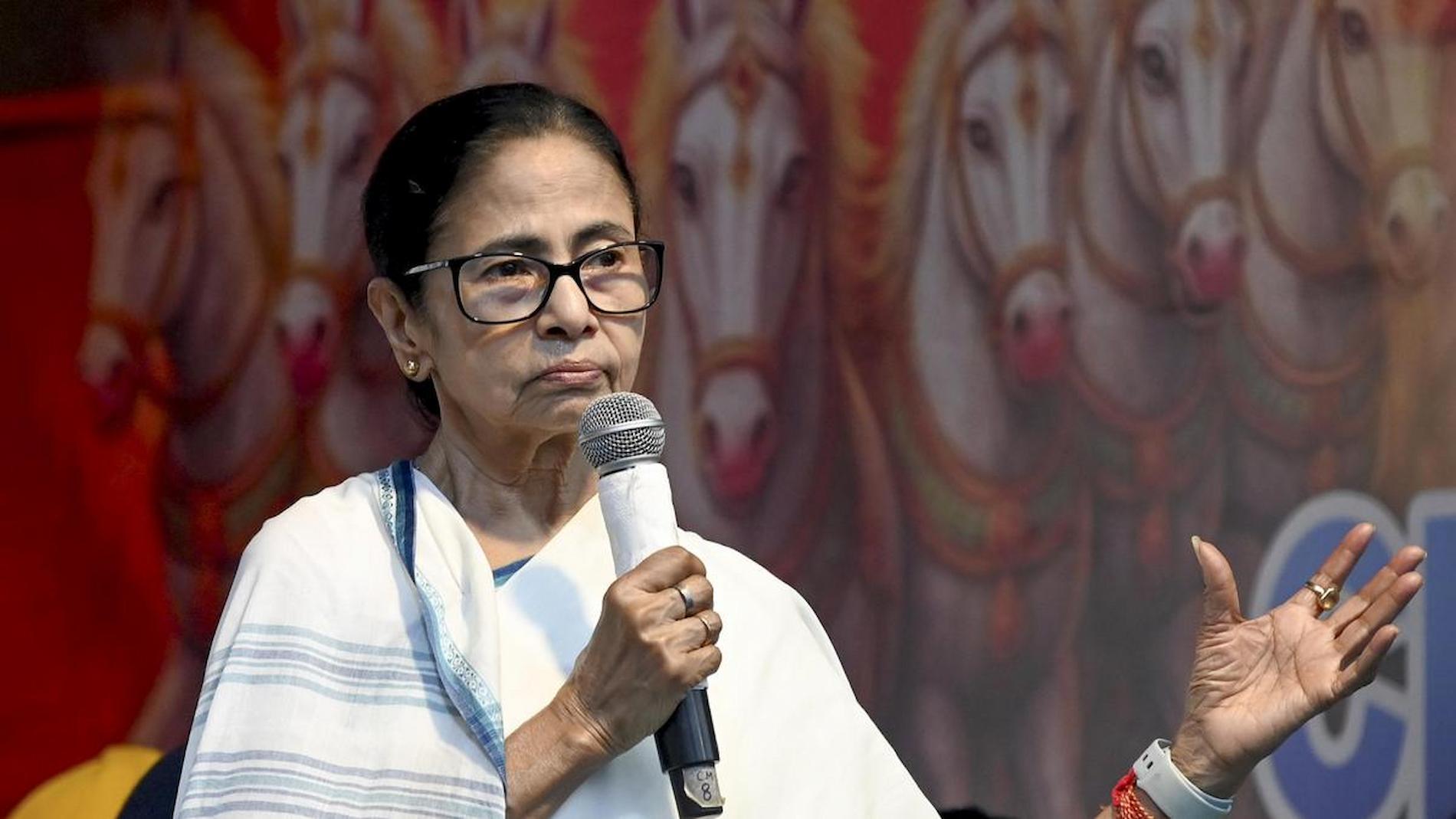
As the West Bengal assembly elections 2026 draw closer, Chief Minister Mamata Banerjee’s recent temple visits have sparked sharp political debate. Her prayers at the Jagannath Temple in Digha and the Mahakal Temple in Siliguri are being closely watched across Bengal’s political spectrum. Supporters call it cultural assertion, while critics see calculated election optics. With religion, identity, and development converging on the campaign trail, these visits highlight how faith has become a visible narrative in Bengal politics. The moves also underline TMC’s effort to counter the BJP’s religious outreach strategy.
Key Takeaways
- Mamata Banerjee’s temple visits signal strategic cultural outreach.
- Digha and Siliguri hold high political importance.
- TMC aims to counter the BJP’s religious narrative.
- Opposition calls the visits election optics.
- Voter perception remains divided across regions.
- Religion continues to shape Bengal’s electoral discourse.
Mamata Banerjee Rush Temple Visits With Political Logic
The run-up to the West Bengal assembly elections 2026 has witnessed a familiar yet evolving political spectacle. Chief Minister and politician Mamata Banerjee has intensified her public religious outreach, visiting prominent Hindu temples across the state. Her recent stops at the Jagannath Temple in Digha and the Mahakal Temple in Siliguri have triggered strong reactions from rivals and analysts alike. The Trinamool Congress insists these visits reflect Bengal’s inclusive culture and spiritual traditions. The Bharatiya Janata Party, however, calls it election-time symbolism aimed at softening TMC’s image among Hindu voters.
Religion has long played a complex role in Bengal politics, often intertwined with culture, language, and regional pride. Mamata Banerjee’s temple visits are not isolated gestures. They form part of a broader campaign narrative seeking to balance governance achievements, cultural identity, and electoral arithmetic. As the political battle intensifies, these symbolic moves may shape voter perception in crucial regions.
Political Context Ahead of Bengal Polls
With the West Bengal assembly elections 2026 approaching, political mobilisation has entered a decisive phase. Bengal’s political climate remains sharply polarised. The ruling Trinamool Congress faces sustained pressure from the BJP, which continues to expand its organisational footprint. Religion has emerged as a visible campaign theme, especially after the BJP’s aggressive cultural messaging in recent elections.
In previous polls, Mamata Banerjee positioned herself as a defender of Bengal’s plural identity. However, growing competition has pushed TMC to recalibrate its outreach. Temple visits now sit alongside welfare messaging, regional pride, and development claims. Political observers say this reflects an evolving campaign style rather than a sudden ideological shift.
Details of the Temple Visits
Mamata Banerjee recently offered prayers at the Digha Jagannath temple, a project closely associated with her government’s coastal development push. She also visited the Mahakal temple in Siliguri, performing rituals and interacting with local priests and devotees.
Visuals from both visits were widely shared by the party. TMC leaders highlighted these moments as expressions of faith and cultural respect. According to party sources, these visits were planned alongside administrative reviews and public interactions. The Chief Minister avoided overt political speeches at temple premises but reinforced messages of peace and unity.
Strategic Significance of Digha and Siliguri
The choice of locations carries clear political weight. Digha remains central to TMC’s coastal development narrative. The Jagannath Temple is positioned as a religious tourism hub, blending faith with economic growth.
Siliguri, on the other hand, holds strategic importance in North Bengal political developments. The region has witnessed intense competition between the TMC and the BJP. Its diverse electorate, including tea garden workers and urban voters, makes it a crucial battleground. Mamata Banerjee’s presence here signals TMC’s renewed focus on regaining lost ground.
Religious Outreach and Political Messaging
The temple visits have reignited debate around temple politics in Bengal. Critics argue the outreach resembles a TMC soft Hindutva narrative aimed at countering the BJP’s ideological dominance. Supporters maintain it reflects Bengal’s cultural pluralism rather than religious polarisation.
Mamata Banerjee has repeatedly emphasised secular governance. In earlier statements, she described religion as personal and culture as collective. Analysts note that her current strategy blends cultural assertion with political pragmatism. This careful balancing act seeks to avoid alienating minority voters while appealing to Hindu sentiments.
TMC’s Electoral Strategy
The TMC election strategy appears focused on neutralising the BJP’s religious appeal. Party leaders argue that the BJP has tried to paint TMC as anti-Hindu. By foregrounding cultural practices, TMC aims to reshape that narrative.
Senior leaders have defended the Chief Minister’s outreach as non-political. They claim the party respects all faiths and traditions. The strategy also aligns with welfare messaging, highlighting development schemes alongside cultural pride. The broader Bengal poll campaign strategy thus blends identity, governance, and regionalism.
BJP’s Response and Opposition Reaction
The BJP has been quick to attack. Leaders accuse Mamata Banerjee of “election-time religiosity” and political opportunism. They argue that such gestures cannot hide governance failures.
Left parties and Congress have also expressed scepticism. Some opposition leaders describe the visits as symbolic optics rather than substantive engagement. The BJP vs TMC religion politics debate has intensified, dominating television panels and social media discussions.
Public and Voter Perception
Public reaction remains mixed. Social media platforms show both support and criticism. Some voters welcome the Chief Minister’s visible connection with cultural traditions. Others view it as a tactical move ahead of elections.
In Digha, locals have highlighted tourism benefits linked to the temple project. In Siliguri, opinions vary across communities. Analysts suggest that such outreach may influence undecided voters but may not drastically shift entrenched loyalties.
Historical Pattern in Bengal Politics
Mamata Banerjee’s temple visits are not unprecedented. During earlier campaigns, she visited Kalighat and other shrines. However, the frequency and visibility have increased.
BJP leaders have long used religious symbolism in Bengal, especially after 2019. Over time, religious messaging has become more central to electoral narratives. The evolution reflects changing voter expectations and competitive pressures.
Expert and Analyst Views
Political analysts remain divided. Some argue temple-centric campaigning normalises religion in politics. Others warn of voter fatigue with symbolic gestures.
A senior political commentator noted that such moves carry risks. Overemphasis may blur ideological distinctions. Yet, ignoring cultural sentiments could prove costly. The long-term impact on Bengal’s secular identity remains uncertain.
Electoral Impact and Road Ahead
The temple visits fit into a larger campaign roadmap. TMC plans extensive rallies, regional outreach, and manifesto-driven messaging. Welfare schemes, women-centric programmes, and regional pride will remain key pillars.
Religion, however, will continue to shape discourse. As the West Bengal assembly elections 2026 approach, symbolic gestures and ground-level mobilisation will intensify. The effectiveness of Mamata Banerjee’s strategy will ultimately be tested at the ballot box.
Conclusion
Mamata Banerjee’s recent temple visits underline how culture and politics increasingly intersect in Bengal. These moves reflect calculated messaging rather than sudden ideological change. As campaigns intensify, religious symbolism will remain a contested terrain. The success of this strategy depends on voter interpretation and ground-level realities.
Stay with us for in-depth coverage and analysis as Bengal’s high-stakes electoral battle unfolds.