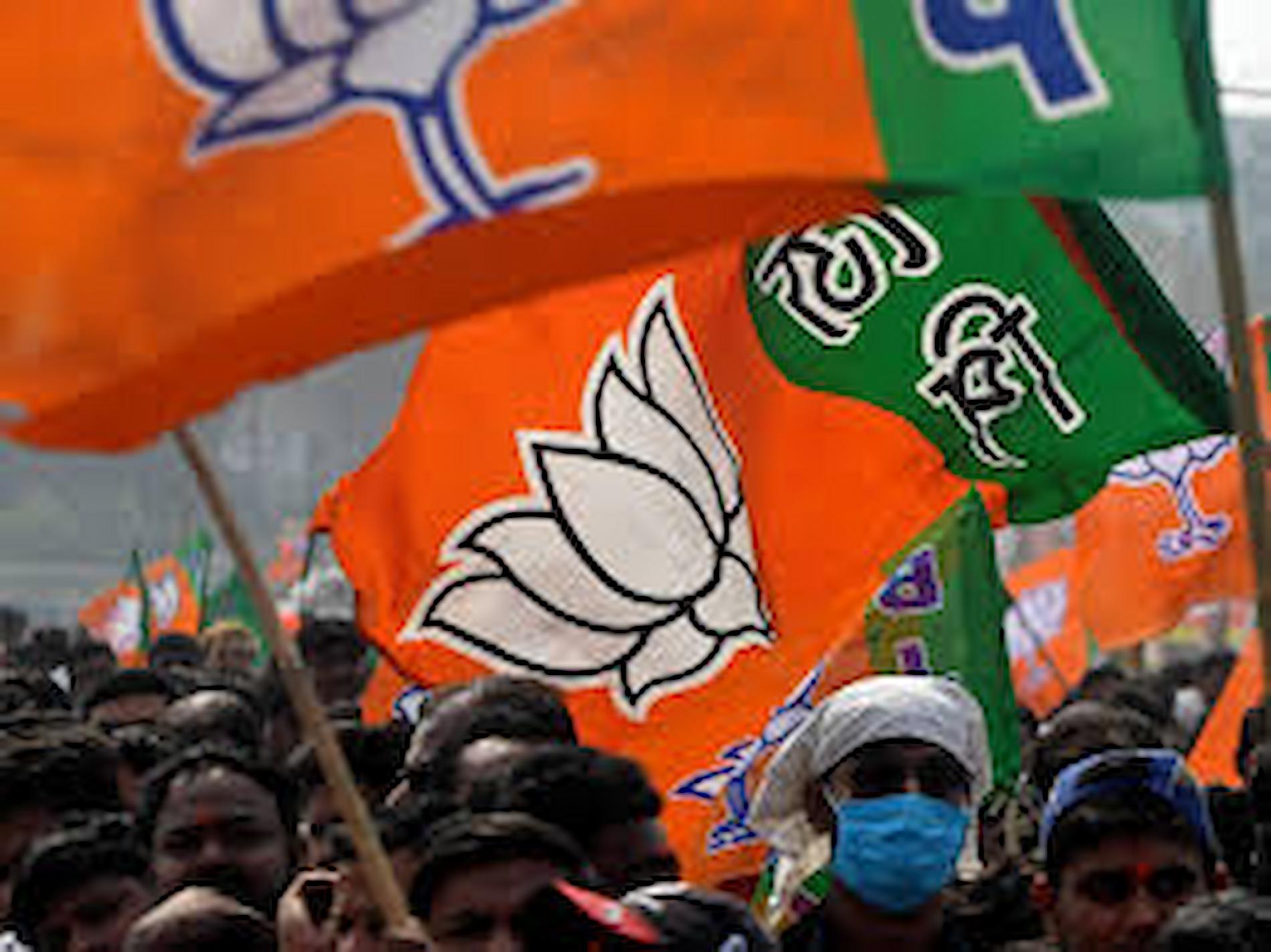
The 2026 Bengal Assembly Elections are heating up as the BJP sets its sights on a dramatic comeback. With 70 tightly contested seats in play, the party is banking on micro-campaigning, star leaders, and local issues to challenge TMC’s dominance. Can the BJP flip these close races to reshape West Bengal’s political landscape? From unemployment to religious dynamics, every vote counts in this high-stakes battle. As the West Bengal political battle intensifies, all eyes are on whether the BJP’s comeback plan in Bengal will succeed or falter against Mamata Banerjee’s stronghold.
The Bengal election 2026 strategy is in full swing as the Bharatiya Janata Party (BJP) gears up to challenge the ruling Trinamool Congress (TMC) in the 2026 Bengal Assembly Elections. With the state’s political future at stake, the BJP has identified 70 constituencies where tight races could tilt the balance. These close contests in Bengal elections are critical, as the party aims to capitalize on narrow losses from the 2024 Lok Sabha polls. By focusing on grassroots campaigns, local issues, and polarizing narratives, the BJP is betting big on its BJP Bengal Comeback Strategy. Meanwhile, TMC is fortifying its defenses, and smaller players like the Left and Congress could sway outcomes. As tensions rise, the West Bengal political battle promises a fierce electoral showdown.
BJP’s Strategy to Regain Influence
The BJP Bengal Comeback Strategy hinges on flipping 70 constituencies where it trailed by slim margins in the 2024 Lok Sabha elections. According to News18, the BJP lost by less than 15,000 votes in these seats, with 49 showing deficits under 10,000. The party is focusing on urban and semi-urban areas like Naba Dwip, Barrackpore, and Kolkata’s Rashbehari, where anti-incumbency against TMC is palpable.
- Micro-targeting voters: BJP is deploying booth-level workers to engage voters directly.
- Candidate selection: The party is choosing local leaders with strong community ties.
- Cultural mobilization: Events like Ram Navami rallies are being used to energize supporters.
- This BJP Bengal Comeback Strategy aims to convert close losses into wins by addressing local grievances and leveraging organizational strength.
Analyzing the 70 Close Seats
The tight electoral races in Bengal are spread across diverse Lok Sabha constituencies. In 2024, the BJP won 12 of West Bengal’s 42 parliamentary seats, down from 18 in 2019, while TMC secured 29. However, the BJP led in 92 assembly segments, signaling potential for gains. The 70 targeted seats, including Sonarpur South, Jagatdal, and Bhabanipur, are winnable with focused efforts. In 2021, the BJP won 77 of 294 assembly seats, while TMC dominated with 213. Narrow margins in these close contests in Bengal elections make them pivotal for the 2026 Bengal Assembly Elections. The BJP believes a swing of a few thousand votes could shift the state’s power dynamics.
Ground-Level Campaign Tactics
The BJP is doubling down on grassroots efforts to secure these tight electoral races in Bengal. Booth management is a priority, with workers trained to maximize voter turnout. Local influencers, including religious leaders and community figures, are being roped in to sway opinions. The party is also using social media to highlight TMC’s alleged failures, such as corruption scandals. Door-to-door campaigns focus on small voter groups, addressing specific concerns like joblessness or infrastructure. By tailoring messages to local sentiments, the BJP comeback plan in Bengal seeks to build trust and convert undecided voters in these critical constituencies.
Leadership and Messaging
Top BJP leaders are driving the BJP Bengal Comeback Strategy. Prime Minister Narendra Modi and Home Minister Amit Shah are expected to hold rallies in key areas like Durgapur and Alipurduar. State president Samik Bhattacharya, with his RSS roots, is unifying party factions. Suvendu Adhikari, the Leader of Opposition, is shaping polarizing narratives, though his controversial remarks have sparked debates. The party’s messaging centers on TMC’s alleged corruption, unemployment, and post-poll violence. By framing the BJP vs TMC West Bengal contest as a fight for Bengal’s “mukti” (freedom), the BJP aims to galvanize voters.
TMC’s Response to the Challenge
The TMC, led by Mamata Banerjee, is not sitting idle. The party is reinforcing its dominance in the West Bengal political battle by highlighting welfare schemes like Lakshmir Bhandar. TMC is also countering the BJP’s religious narratives with inclusive events, such as the Jagannath Temple inauguration in Digha. In the 2024 Lok Sabha polls, TMC’s strong performance in seats like Diamond Harbour, where Abhishek Banerjee won by over 7 lakh votes, shows its resilience. However, close contests in Bengal elections could strain TMC’s resources, as it defends its 213 assembly seats against a resurgent BJP.
Role of Other Political Players
The Left and Congress could play spoilers in the 2026 Bengal Assembly Elections. In 2024, Congress won one seat, and the Left’s vote share grew in areas like Barrackpore. Their alliance in bypolls, like Kaliganj, where TMC’s Alifa Ahmed won but faced a strong Congress-Left challenge, shows their potential to split votes. Smaller parties, like the Indian Secular Front, may also influence outcomes in Muslim-majority areas. This vote division could benefit the BJP in tight electoral races in Bengal, weakening TMC’s grip in closely fought constituencies.
Local Issues Shaping Voter Sentiment
Several issues are driving voter sentiment in the West Bengal political battle. Unemployment remains a primary concern, with youth migration a growing issue. Infrastructure gaps, like poor roads and healthcare, are hot topics in rural areas. Post-poll violence, especially in regions like Sandeshkhali, has fueled anti-TMC sentiment. The BJP is capitalizing on these grievances, promising jobs and development. Meanwhile, TMC is banking on its welfare programs to retain support. These local issues will be decisive in the close contests in the elections, where every vote matters.
Caste, Religion, and Community Dynamics
Identity politics is a key factor in the BJP vs TMC West Bengal contest. The BJP is targeting Hindu voters, who form 43% of Kaliganj’s electorate, as seen in recent bypolls. Leaders like Suvendu Adhikari are pushing for Hindu unity, citing demographic shifts in border areas. TMC counters with an inclusive narrative, appealing to Muslim voters, who are a majority in some constituencies. Caste dynamics, especially among Scheduled Castes in Kadi, also influence outcomes. These factors will shape the tight electoral races in Bengal, making community outreach critical.
Election Commission and Security Measures
The Election Commission is preparing for a volatile 2026 Bengal Assembly Election. With close contests in Bengal elections, the EC plans to deploy central forces in sensitive areas like Barrackpore and Jagatdal. Webcasting and CCTV monitoring will ensure transparency. The EC’s focus is on preventing post-poll violence, a recurring issue in West Bengal. In the 2024 bypolls, 14 companies of central forces were used in Kaliganj alone. These measures aim to maintain order and fairness in the West Bengal political battle, ensuring voters can cast ballots freely.
Impact on Future Elections
Success in these 70 seats could redefine the BJP Bengal; EA Bengal Comeback Strategy for the 2026 Bengal Assembly Elections. A strong performance could boost the BJP’s momentum for the 2029 Lok Sabha polls, challenging the TMC’s dominance. Conversely, TMC’s ability to hold these seats will solidify its grip on the state. The close contests in Bengal elections could signal broader trends, as the BJP aims to expand its vote share in urban and semi-urban areas. The outcome will shape West Bengal’s political future and influence national dynamics.
Conclusion
The 2026 Bengal Assembly Elections are set to be a defining moment for West Bengal’s political landscape. The BJP’s Bengal Comeback Strategy focuses on 70 tightly contested seats, leveraging micro-campaigns, local issues, and polarizing narratives to challenge TMC’s stronghold. With unemployment, violence, and identity politics at play, these close contests in Bengal elections could shift the balance of power. TMC is countering with welfare schemes and inclusive messaging, while the Left and Congress may split crucial votes. The Election Commission’s security measures will be vital in ensuring fair polls. The outcome of these tight electoral races in Bengal will not only determine the state’s future but also signal trends for the 2029 Lok Sabha elections. As the BJP vs TMC West Bengal battle intensifies, the state braces for a fierce electoral showdown that could reshape its political destiny.
Stay tuned for live updates on the 2026 Bengal Assembly Elections.