Mumbai is witnessing an intense political moment as the Brihanmumbai Municipal Corporation prepares to elect its new Mayor. Following the BMC elections 2026 held on January 15, political parties are locked in negotiations and strategic planning. The reservation lottery held on January 22 has placed the mayor’s post under the General Women’s category. This has triggered political debates and allegations from opposition parties. With the BJP emerging as the single-largest party, attention is now focused on the leading contenders. Citizens and political observers are closely tracking every development in this high-stakes civic leadership race.
Key Takeaways
- BMC elections held on January 15, 2026
- Reservation lottery conducted on January 22, 2026
- The mayor’s post is reserved for the General Woman category
- BJP emerged as the largest party with 89 seats
- Tejasvee Ghosalkar is a leading contender
- Opposition alleges manipulation in the lottery process
Overview
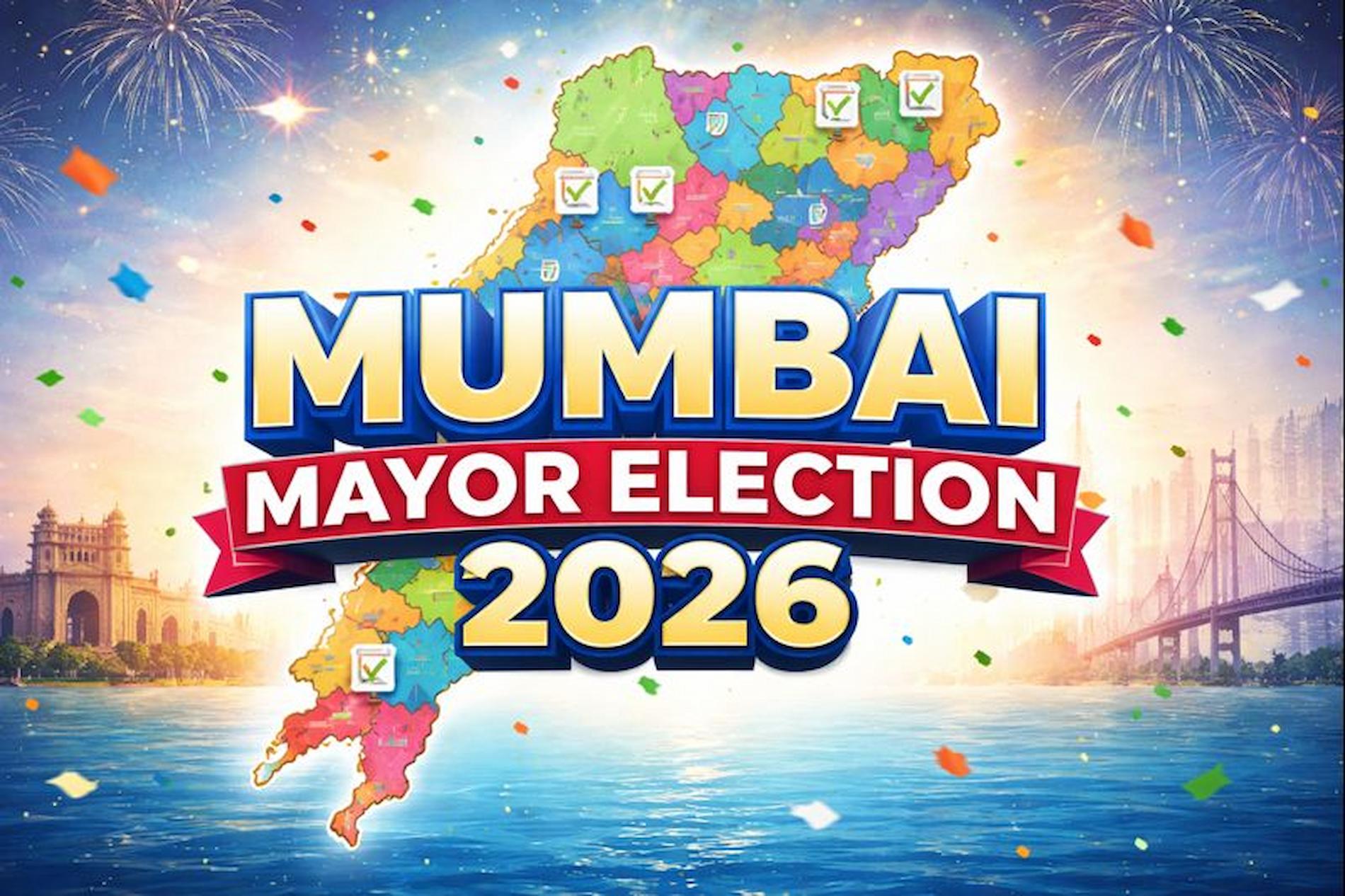
The Mumbai Mayor Election Results 2026 Live updates have placed the country’s richest civic body at the centre of national attention. After the Brihanmumbai Municipal Corporation elections conducted on January 15, 2026, the process of choosing the city’s next Mayor has entered a crucial phase. A total of 227 seats were contested, marking one of the most competitive civic battles in recent years.
The mayor’s election follows a reservation-based system, decided through a quota lottery before nominations. On January 22, 2026, the draw placed the post under the General Women’s category. This decision has shaped political strategies and sparked controversy. With the BJP emerging as the largest party and opposition groups questioning the process, the civic leadership race has become a key political event. The outcome will influence governance, urban development, and political alignments in Mumbai.
Context of the Election and Process
The BMC elections 2026 were conducted on January 15 across Mumbai’s 227 municipal wards. Voters turned out in large numbers to elect corporators. The election was closely watched due to shifting political alliances and rising civic challenges.
The mayor is elected indirectly by corporators. Before nominations, a major reservation lottery determines the category. Maharashtra follows a rotational reservation policy, with a 50% quota for women.
Under major reservation rules, Maharashtra categories rotate among General, Scheduled Caste, Scheduled Tribe, and OBC groups. This ensures social representation in civic leadership. The process excludes any reference to unrelated electoral systems. The focus remains strictly on Mumbai’s civic governance.
Live Updates and Key Frontrunners
The live coverage of the Mumbai mayor election has focused on emerging contenders. The General Woman category has favoured the BJP’s nominees.
Among the BMC mayor frontrunners, Tejasvee Ghosalkar has emerged as a strong candidate. The Tejasvee Ghosalkar, mayoral candidate, joined the BJP on December 15, 2025. She won Ward 2 with a comfortable margin.
Other potential BJP mayoral candidates in Mumbai include Varsha Tapkir, Manjusha Nagpure, Ranjana Tilekar, Manasi Deshpande, and Swarda Bapat.
Party leaders say the General Women’s reservation gives the BJP a strategic advantage. The contest remains open as internal consultations continue.
Lottery Draw and Reservation Controversy
On January 22, 2026, the state government conducted the reservation draw for 29 municipal corporations. Mumbai’s result placed the mayor’s post under the General Women category.
This triggered the BMC quota lottery controversy. Opposition parties alleged manipulation. They claimed the process favoured the BJP-led Mahayuti alliance.
Leaders questioned the transparency of the draw. They demanded public disclosure of procedures. The issue quickly became a major political dispute in Mumbai, dominating news debates and social media.
Sena-UBT Reactions and Allegations
Shiv Sena (UBT) leaders strongly objected. Former Mayor Kishori Pednekar alleged that rules were changed mid-process. She claimed that the Scheduled Tribe category was deliberately excluded.
According to her, the BMC had fewer than three ST corporators. This made it ineligible for ST reservation. She argued that earlier norms were ignored.
Congress Legislature Party leader Vijay Wadettiwar also criticised the process. He called the draw “opaque” and demanded an independent review.
Opposition leaders said the controversy undermines democratic norms and civic credibility.
Government and BJP Responses
The BJP strongly rejected all allegations. Minister of State for Urban Development Madhuri Misal stated that the process followed legal norms.
She said the draw was conducted in the presence of officials and observers. Party leaders insisted that reservation results were based on statutes.
BJP leaders emphasised that political accusations were baseless. They argued that the system has operated similarly for decades. According to them, the controversy is politically motivated.
Political Dynamics and Seat Breakdown
The results of the Mumbai civic polls 2026 shaped the mayoral race. BJP emerged as the largest party with 89 seats.
The Shiv Sena, led by Eknath Shinde, secured 29 seats. Shiv Sena (UBT) won 65 seats. Maharashtra Navnirman Sena secured 6 seats. NCP won 1 seat.
This fragmented mandate has intensified the race for civic body leadership. No party holds an absolute majority. Coalition support remains crucial for electing the Mayor.
Implications for Alliances and Power Balance
The seat distribution has made negotiations essential. BJP is exploring support from allies and independents.
Shiv Sena (UBT) remains influential in several wards. The party continues to emphasise Marathi identity and civic issues.
The General Women’s category has encouraged the BJP to project a local woman leader. Tejasvee Ghosalkar fits this strategy. Analysts say this move could strengthen the BJP’s urban outreach.
Public and Civil Society Response
Citizens have shown mixed reactions. Many welcomed the possibility of a woman Mayor. Others expressed concern over transparency.
Civil society groups called for greater clarity. Election watchdogs urged authorities to release detailed lottery data.
Activists said confusion over procedures weakens public trust. They demanded better communication from the Urban Development Department and BMC officials.
Next Steps and Election Timeline
After the lottery, eligible candidates will file nominations. The nomination process is expected to begin in early February 2026.
Scrutiny and withdrawals will follow within a week. The mayoral election will take place in the BMC general body meeting.
The Mayor-elect is likely to be decided shortly after internal voting. Officials said the process would conclude before the end of February.
Mumbai Mayor Election Results 2026 Live and Democratic Significance
The Mumbai Mayor Election Results 2026 Live updates highlight the importance of civic governance. Mumbai manages an annual budget exceeding ₹50,000 crore.
The Mayor plays a symbolic and administrative role. Leadership stability affects infrastructure, transport, housing, and health services.
The ongoing developments show how local politics influences urban management. The Mumbai Mayor Election Results 2026 Live coverage reflects growing public interest in municipal democracy.
Conclusion
The Mumbai mayoral election has entered a decisive phase marked by political negotiations and public scrutiny. While the BJP holds a numerical advantage, coalition support remains vital. Allegations over reservation procedures have added complexity to the process. The coming weeks will determine whether Mumbai gets stable leadership or prolonged political contestation. The outcome will shape civic governance in India’s financial capital for the next term.
Follow Mumbai Mayor Election Results 2026 Live for verified updates on leadership, alliances, and civic governance decisions.