Manihari (ST) Assembly Constituency (Vidhan Sabha) (Constituency No. 67), Bihar
Manihari Assembly constituency is a Scheduled Tribe–reserved seat located in the eastern part of Bihar, along the southern banks of the Ganga River. Part of Katihar district, the constituency is shaped by its riverine geography, tribal social structure, and agrarian economy. Floods, migration, and access to basic services dominate everyday life here. As the state moves toward the 2025 Bihar Assembly elections, Manihari remains a politically sensitive seat where governance performance and tribal welfare carry significant weight.
Bihar Assembly Elections 2025
Manihari Assembly Election 2025 – Voting Date
Voting for the Bihar assembly elections 2025 for this constituency was completed on 11 November 2025, as part of Phase 2 of the 2025 Bihar Legislative Assembly election.
Manihari Assembly Election 2025 Results
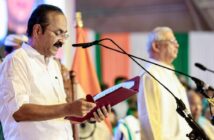
Manohar Prasad Singh of the INC wins by 114754 votes in the Manihari seat in the 2025 Bihar Vidhan Sabha elections.
The counting of votes and declaration of results for the 2025 Bihar Assembly elections were completed on November 14, 2025.
Candidates List: Manihari Assembly Election 2025
| S.N. | Candidate | Party | EVM Votes | Postal Votes | Total Votes | % of Votes |
|---|---|---|---|---|---|---|
| 1 | UPENDRA MANDAL | Bahujan Samaj Party | 1965 | 2 | 1967 | 0.83 |
| 2 | NALINEE MANDAL | Aam Aadmi Party | 2736 | 2 | 2738 | 1.15 |
| 3 | MANOHAR PRASAD SINGH | Indian National Congress | 114488 | 266 | 114754 | 48.16 |
| 4 | RAM RATAN PRASAD | Rashtriya Lok Janshakti Party | 3759 | 2 | 3761 | 1.58 |
| 5 | SHAMBHU KUMAR SUMAN | Janata Dal (United) | 99417 | 169 | 99586 | 41.8 |
| 6 | BABLU SOREN | Jan Suraaj Party | 7625 | 22 | 7647 | 3.21 |
| 7 | SAIF ALI KHAN | Nationalist Congress Party | 4831 | 34 | 4865 | 2.04 |
| 8 | NOTA | None of the Above | 2938 | 3 | 2941 | 1.23 |
| Total | 237759 | 500 | 238259 |
1. Foundational Details
- District: Katihar
- Lok Sabha Constituency: Katihar
- Constituency Number: 67
- Seat Type: Reserved for Scheduled Tribes (ST)
- Total Electors (2020): Approximately 3.15 lakh
- Voter Turnout (2020): Around 60%
Geography and Administrative Divisions
Manihari lies along the Ganga floodplain, making it one of the most flood-affected constituencies in the Seemanchal–Kosi belt. The constituency includes Manihari block and surrounding gram panchayats, with villages often separated by river channels and embankments. Seasonal erosion, displacement, and poor road connectivity define the physical landscape.
Administratively, the area is governed through panchayati raj institutions under the Katihar district administration. River transport supplements limited road connectivity, especially during monsoon months when several interior villages become semi-isolated.
Economic Base
The local economy is primarily agrarian and informal:
- Agriculture: Paddy, maize, and pulses dominate cropping patterns, heavily dependent on monsoon behaviour.
- Fishing and river-based livelihoods Are Crucial for tribal households along the Ganga.
- Daily wage labour and migration: Large-scale seasonal migration to West Bengal, Jharkhand, and urban Bihar supplements income.
- Small trade: Weekly haats and local markets support basic commerce.
The absence of industry and weak infrastructure continues to constrain economic mobility.
2. Electoral History and Political Background
Manihari has traditionally seen contests between the Janata Dal (United), Rashtriya Janata Dal (RJD), and Indian National Congress, with outcomes often influenced by tribal consolidation and flood-related governance performance. The ST reservation makes leadership credibility among tribal communities central to electoral success.
Recent Election Results
| Year | Winning Candidate | Party | Runner-Up | Party | Margin | Turnout |
|---|---|---|---|---|---|---|
| 2020 | Manohar Prasad Singh | JD(U) | Shambhu Kumar | INC | ~21,000 | ~60% |
| 2015 | Manohar Prasad Singh | JD(U) | Nil | INC | ~15,000 | ~58% |
In the 2020 contest, the sitting MLA retained the seat with a comfortable margin, reinforcing JD(U)’s organisational strength in tribal belts. These outcomes continue to be referenced in discussions around Manihari election results 2025 and broader Bihar election 2025 results debates.
Historical Trends
Before JD(U)’s consolidation, Congress enjoyed influence in Manihari due to its early tribal outreach. Over time, welfare schemes, flood relief measures, and alliance politics shifted the balance. RJD retains pockets of support, but electoral contests increasingly revolve around development delivery rather than party legacy.
The constituency’s voting behaviour is often analysed alongside other Bihar constituencies in flood-prone regions, where governance response to natural disasters plays a defining role.
3. Social and Economic Fabric
Demographic Composition
- Population: Predominantly rural
- Urban–Rural Mix: Over 90% rural
- Gender Ratio: Close to district average
- Literacy Rate: Below state average, with gaps in secondary education
Tribal and Social Groups
Manihari’s electorate is dominated by Scheduled Tribe communities, including Santhal and related tribal groups, alongside OBC and minority populations. Social cohesion within tribal settlements strongly influences voting behaviour, often outweighing individual candidate appeal.
Livelihood Patterns
Most households depend on agriculture, fishing, and wage labour. Women play a significant role in household economies but face limited access to formal employment. Youth migration is widespread due to the lack of local opportunities, a factor shaping voter expectations ahead of the Manihari Assembly elections 2025.
4. Ground-Level Issues and Governance
Key Local Concerns
- Floods and River Erosion: Annual displacement and crop loss remain the most pressing challenges.
- Infrastructure Deficit: Poor roads, limited electricity reliability, and weak digital connectivity.
- Healthcare and Education: Shortage of doctors, schools, and higher education facilities.
- Employment: Dependence on migration due to the absence of industry or skill centres.
- Welfare Delivery: Access to housing, ration, and drinking water varies widely across panchayats.
Governance Performance
The sitting MLA’s tenure has focused on flood relief coordination, road repair, and welfare scheme outreach. Central and state schemes such as housing, ration distribution, and drinking water projects have improved coverage, though implementation gaps persist. These governance outcomes are central to the Bihar assembly election updates and ongoing Manihari elections news.
5. Political Actors and Party Dynamics
Manihari’s politics is shaped by:
- JD(U): Strong organisational presence and welfare-focused messaging.
- RJD: Support among sections of OBC and minority voters.
- Congress: Residual influence rooted in historical tribal engagement.
Campaign narratives emphasise flood control, rehabilitation, and basic services rather than ideology. The constituency often features in political news in Bihar due to its vulnerability to environmental shocks.
6. Strategic Electoral Analysis
Voting in Manihari is largely community-driven and issue-focused. Tribal voters prioritise leadership accessibility, disaster response, and welfare delivery. Alliance dynamics at the state level influence outcomes, linking Manihari closely with wider Political trends in Bihar and debates around governance continuity.
Turnout remains relatively stable despite displacement challenges, reflecting high political awareness. Observers tracking Bihar election updates often treat Manihari as a test case for flood-region governance.
7. Forward-Looking Analysis
Manihari’s future political direction depends on sustained investment in flood management, rehabilitation, education, and local employment. As discussions intensify around the 2025 Bihar election result, expectations from tribal constituencies like Manihari are rising.
The seat’s trajectory will contribute to broader narratives around the Bihar election results 2025, the 2025 Bihar election result, and Political updates in Bihar, especially on how effectively governments address structural vulnerability. These factors place Manihari within the larger frame of political developments in Bihar, shaping perceptions of Politicians in Bihar and their commitment to marginal regions during the Upcoming elections in India and the overall Bihar Assembly elections 2025.
FAQs About Manihari Assembly Constituency
What is the reservation status of Manihari Assembly constituency?
Manihari is a Scheduled Tribe–reserved seat, specifically designed to ensure political representation for tribal communities in Katihar district. This reservation status mandates that only candidates from the Scheduled Tribes can contest elections here. It addresses historical underrepresentation and promotes inclusion in Bihar’s legislative process. The seat reflects the area’s significant tribal population, including communities like the Santhal and Oraon. Voter priorities often centre on tribal welfare schemes and cultural preservation. This setup influences party strategies, with alliances forming around ST outreach. Overall, it strengthens democratic equity in the region.
Who currently represents Manihari in the Bihar Assembly?
The constituency is represented by a JD(U) MLA who was elected in the 2020 Bihar Assembly elections. This leader has focused on welfare delivery, particularly schemes for flood-affected families and rural development. Their tenure emphasises infrastructure improvements amid challenging geography. Party affiliation with JD(U) ties into the NDA coalition’s broader governance agenda. Local performance in disaster relief has shaped public perception. The MLA’s approach balances tribal aspirations with state-level priorities. Future re-election will hinge on continued delivery amid rising expectations.
What are the main issues faced by Manihari voters?
Flooding and river erosion repeatedly devastate farmlands and homes, making disaster resilience a top priority. Poor infrastructure, including roads and bridges, hampers connectivity and economic growth. Limited healthcare facilities leave rural populations vulnerable, especially during monsoons. Lack of employment opportunities drives migration and youth discontent. Agricultural distress from unpredictable weather further strains livelihoods. Voters seek robust government intervention in irrigation and skill programs. These interconnected challenges dominate campaign discourses and electoral choices.
How does geography influence politics in Manihari?
The Ganga’s floodplain geography exposes Manihari to annual floods and erosion, making disaster management central to politics. This terrain shapes electoral behaviour, with parties promising embankments and relief packages. Rehabilitation efforts post-floods become key campaign battlegrounds. Rural isolation amplifies demands for better connectivity and early warning systems. Geography also influences voter turnout, which is often lower during peak flood seasons. Political narratives revolve around resilience-building infrastructure. Ultimately, it defines leadership credibility in crisis handling.
Which parties are influential in Manihari?
JD(U), RJD, and Congress emerge as the main contenders, each vying for tribal votes through targeted promises. JD(U) leverages its NDA alliance for development funds and welfare schemes. RJD focuses on social justice and appeals to consolidate ST and minority support. Congress plays a supporting role, often aligning in coalitions for impact. Outcomes depend on tribal consolidation and perceived governance records. Local alliances and candidate selection can swing results. Party dominance reflects broader Seemanchal political trends.
What factors will shape the next election in Manihari?
Flood control measures, including new embankments and drainage systems, will test incumbent delivery and sway undecided voters. Welfare implementation, such as direct benefit transfers and housing schemes, remains crucial for loyalty. Leadership credibility in handling crises will differentiate contenders amid rising expectations. Tribal outreach and cultural sensitivity could consolidate core vote banks. Economic promises around jobs and agriculture will resonate with youth. National alliance dynamics may indirectly influence local campaigns. Voter turnout in flood-prone areas will prove pivotal.