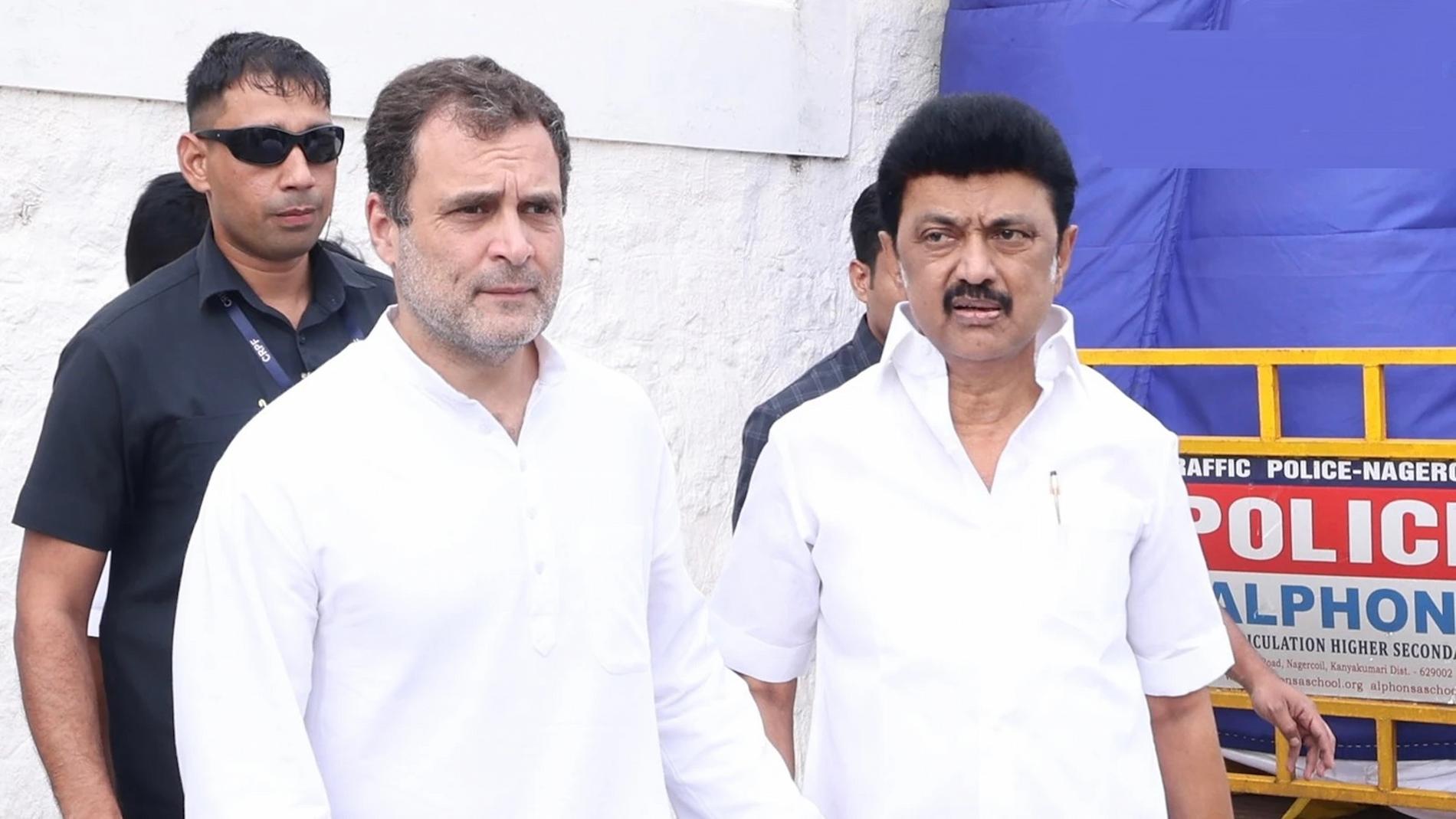
Seat-sharing talks ahead of the Tamil Nadu Assembly polls in 2026 have entered a sensitive phase. The ruling DMK has indicated that it is unlikely to increase seat allocations for its alliance partners. Reports suggest that Congress and smaller parties want more constituencies than what the DMK is willing to concede. The issue has triggered internal debates and political speculation. With elections expected in April–May 2026, alliance unity has become crucial. Political observers say the outcome of these negotiations may influence campaign strategies and voter perception.
Key Takeaways
- Tamil Nadu will elect 234 MLAs in 2026
- DMK plans to retain around 170 seats
- Congress demands nearly 40 constituencies
- Negotiations began in December 2025
- Alliance unity faces growing pressure
- NDA opposition is strengthening
Overview
As preparations intensify for the Tamil Nadu Assembly election 2026, the ruling Dravida Munnetra Kazhagam has taken a firm position on alliance seat-sharing. The TN Assembly election 2026 alliance seat-sharing talks have revealed growing differences between the DMK and its partners in the Secular Progressive Alliance. Chief Minister M.K. Stalin reportedly said the party is not inclined to offer additional constituencies beyond the earlier arrangements.
The state will elect 234 MLAs, with 118 seats needed for a majority, in polls expected between April and May 2026. While the alliance swept all 39 Lok Sabha seats in 2024, fresh negotiations have exposed strains. Congress, a key partner, is pushing for a larger share. However, the DMK believes retaining its traditional strength is vital for electoral stability. The coming months will test coalition cohesion.
Background of Seat-Sharing Talks
Tamil Nadu will go to the polls in 2026 to elect members to its 234-seat Assembly. The majority mark stands at 118. The Election Commission is expected to announce the election schedule in February 2026.
The Secular Progressive Alliance, led by DMK under M.K. Stalin, includes Congress, VCK, MDMK, and MNM. In the 2024 Lok Sabha elections held on April 19, the alliance won all 39 parliamentary seats in Tamil Nadu. This clean sweep strengthened the DMK’s bargaining position.
The alliance for the TN Assembly election 2026 began formal seat-sharing discussions in December 2025. Initial meetings were held in Chennai between senior party leaders. The focus was to replicate the 2024 success at the state level.
DMK’s Seat-Sharing Strategy
The ruling party has adopted a cautious DMK seat-sharing strategy. Sources say the DMK does not want to dilute its electoral base. In 2021, the party contested 173 seats and won 133.
For 2026, the DMK reportedly wants to maintain a similar share. It is prepared to offer Congress around 30-32 seats. However, Congress is seeking 38 to 40 constituencies. This gap has become the main sticking point.
Party insiders say M.K. Stalin prefers continuity. The leadership believes that excessive concessions may weaken the party’s influence. The Stalin seat-sharing approach reflects a balance between alliance management and political dominance.
Congress Demands and Internal Debates
The Congress has intensified its TN Congress poll strategy 2026. Leaders argue that the party’s vote base justifies a larger presence. In meetings held in January 2026, Congress leaders raised demands for more “winnable” seats.
Some leaders also hinted at greater representation in governance. These statements triggered friction within the DMK-Congress alliance. DMK leaders responded by stressing internal discipline.
M.K. Stalin has insisted that seat-sharing will be handled privately. He has asked party workers to avoid public debates. Recent exchanges between Congress MPs and DMK MLAs have highlighted tensions. These incidents reflect growing unease within the alliance.
Alliance Composition and Political Landscape
The Secular Progressive Alliance comprises DMK, Congress, VCK, MDMK, and smaller regional parties. Together, they form a strong social and political coalition. The allocation of the Secular Progressive Alliance seat remains central to negotiations.
Other Political parties in TN, such as PMK, DMDK, and TVK, are still exploring options. Some leaders have shown interest in joining the NDA. Others remain undecided.
The NDA opposition in Tamil Nadu includes AIADMK, BJP, and smaller parties. Recent meetings between AIADMK and BJP leaders suggest growing coordination. This changing landscape adds pressure on the ruling alliance.
Strategic Considerations for DMK
The DMK’s reluctance to concede more seats reflects strategic thinking. Leaders want to preserve core constituencies. They fear empowering smaller allies could reduce long-term influence.
The party also wants to prevent internal competition. Too many alliance candidates in strong DMK regions may split the vote. The leadership believes disciplined allocation is essential.
Within the INDIA bloc, alliance unity is critical. However, DMK leaders argue that strength comes from clarity. They see controlled negotiations as necessary for stability.
Numbers and Negotiation Expectations
Congress is advocating for at least one seat per Lok Sabha constituency. This translates to about 40 seats. Leaders cite the party’s performance in 2024 as justification.
The DMK prefers to limit Congress to around 32 seats. This reflects earlier arrangements. Smaller allies are likely to receive between 5 and 10 seats combined.
The current proposal covers about 200 seats for DMK and Congress together. The remaining constituencies will go to smaller partners. These numbers underline the complexity of seat allocation for SPA constituencies.
Political Relevance Ahead of Polls
Seat-sharing disputes affect morale and campaign planning. Party workers need clarity for booth-level preparation. Delays create uncertainty.
AIADMK leaders have claimed that an NDA alliance could win up to 210 seats. This statement, made in November 2025, has intensified political rivalry.
In Tamil Nadu politics 2026, perception matters. Voters closely watch alliance stability. Disunity may affect credibility. Leaders across parties are aware of this risk.
Public Reaction and Media Framing
Media coverage has focused on strains within the alliance. Headlines highlight uncertainty and friction. Television debates discuss possible fallout.
Political analysts warn against prolonged disputes. They say fragmentation could benefit rivals. Opinion columns stress the need for compromise.
Many voters view the issue pragmatically. They expect parties to settle differences. However, repeated reports of disagreement raise concerns about the continuity of governance.
Role of Politicians and Negotiators
Senior Politicians from both DMK and Congress are leading talks. Negotiations involve ministers, MPs, and state leaders.
A coordination committee was formed in December 2025. It meets every month. The committee reviews constituency-level data and past results.
Sources say final decisions may be taken by March 2026. This will allow time for candidate selection and campaign planning.
Broader Alliance Unity Challenges
The TN Assembly election 2026 alliance seat-sharing issue reflects wider coalition challenges. Balancing ambition and unity remains difficult.
Each party seeks visibility and influence. However, excessive demands can weaken collective strength. Leaders must manage expectations.
The INDIA bloc’s success depends on regional cohesion. Tamil Nadu remains a key state. The outcome of these talks may shape national narratives.
Conclusion
The seat-sharing negotiations within the Secular Progressive Alliance reveal deep strategic calculations. While the DMK seeks to retain dominance, Congress wants greater representation. The final agreement will shape campaign dynamics and voter confidence. A balanced settlement remains crucial for electoral success.
Follow credible political updates to understand how alliance decisions will influence the Tamil Nadu Assembly polls in 2026.