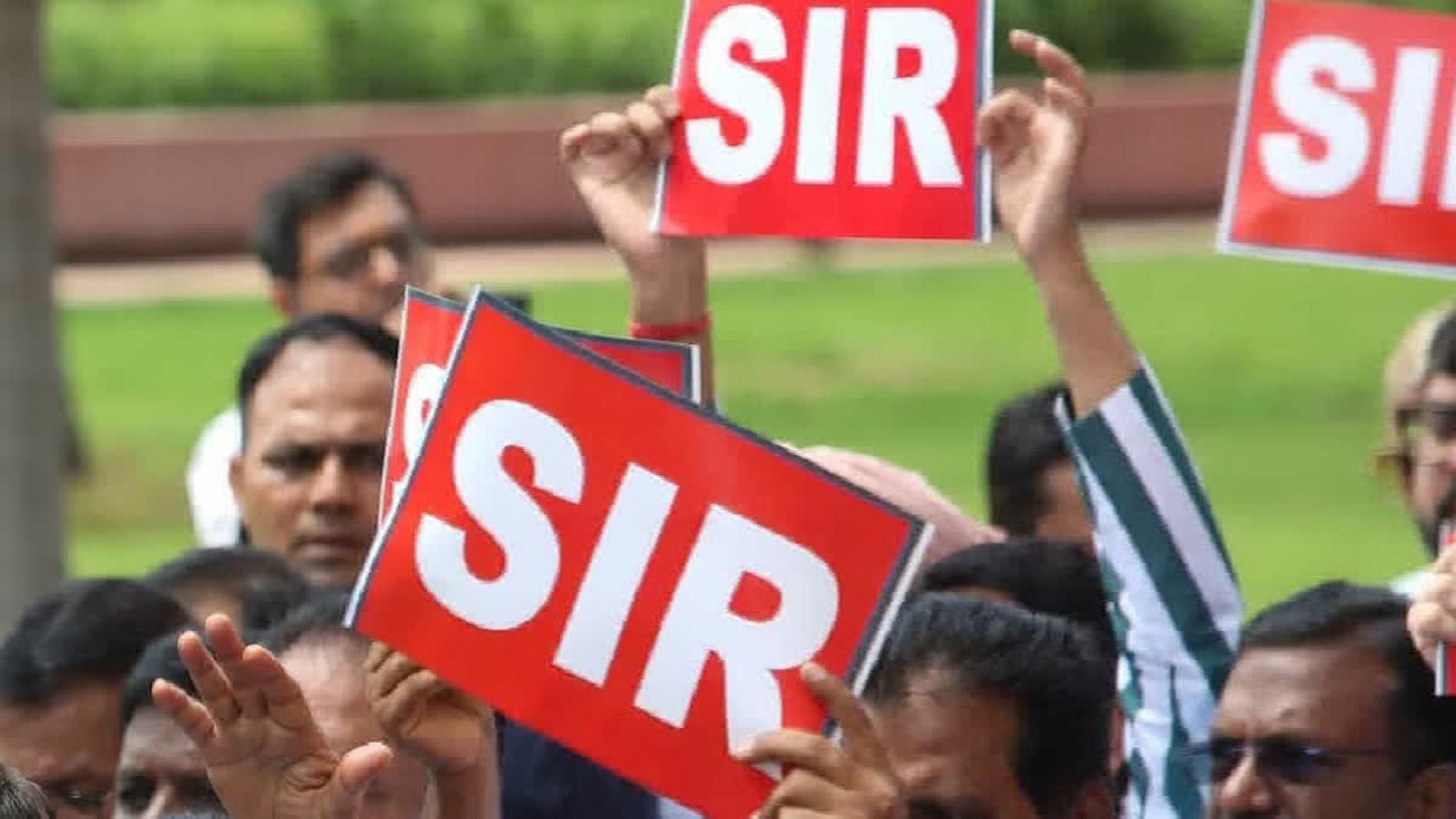
Kerala’s electoral revision exercise has entered a critical phase as hearings begin for nearly 1.3 lakh voters flagged during the Special Intensive Revision. The process comes amid reports that over 24 lakh names were excluded from provisional voter lists. The development has sparked sharp political debate, legal scrutiny, and public anxiety. While election officials insist safeguards exist, opposition parties warn of mass disenfranchisement. With crucial elections ahead, the SIR exercise has become a test of transparency, trust, and administrative readiness in Kerala’s democratic process.
Key Takeaways
- Over 24 lakh voters excluded from provisional lists
- Hearings begin for 1.3 lakh affected voters
- Migrants and elderly voters most impacted
- Political controversy intensifies ahead of elections
- Election Commission assures safeguards
- Public participation remains critical
Kerala SIR Battle 2026 — Hearings Begin for 1.3 Lakh Voters Over 24 Lakh Excluded
The launch of hearings for 1.3 lakh voters marks a defining moment in Kerala’s ongoing electoral revision exercise. The Kerala SIR News cycle has intensified as concerns mount over the exclusion of more than 24 lakh names from provisional lists. The Special Intensive Revision, conducted under Election Commission supervision, aims to clean voter databases and remove inaccuracies. However, the scale of exclusions has triggered political controversy and public unease.
Election officials say hearings will ensure fairness and allow genuine voters to reclaim their rights. Opposition parties argue the process risks excluding migrants, the elderly, and marginalised groups. Civil society organisations have also raised questions on outreach and awareness. With elections on the horizon, the credibility of the Kerala electoral rolls has become central to democratic confidence. The coming weeks will determine whether the process restores trust or deepens political fault lines.
Background of the SIR Exercise in Kerala
The Special Intensive Revision Kerala exercise is conducted periodically to update voter databases. Its purpose is to remove duplicate, deceased, and ineligible entries. Authorities say this ensures clean and credible elections.
Kerala’s high literacy and migration levels make revisions complex. Voters frequently move for jobs and education. Many fail to update addresses. The voter list revision therefore requires extensive field verification.
Officials argue the SIR process strengthens democracy. Critics counter that implementation gaps risk exclusion. The current revision has drawn unusual attention due to its scale and timing.
Scale of Voter Exclusion Raises Alarm
Election data indicates over 24 lakh voters were excluded from provisional lists. This figure emerged after door-to-door verification and database matching. The scale of voter exclusion Kerala has shocked political parties and activists.
Officials clarified that exclusions are provisional. Names flagged include deceased voters, duplicates, and migrants. Many voters lacked updated documentation.
Despite assurances, concerns persist. Kerala has traditionally reported high voter participation. Large-scale exclusions could alter electoral outcomes. The Kerala elections voter list now faces intense scrutiny.
Hearings Begin for 1.3 Lakh Voters
Authorities have initiated Kerala voter hearings for around 1.3 lakh cases. These hearings allow voters to contest exclusions. Booth-level officers and electoral registration officials will conduct them.
Voters must present documents proving eligibility. Hearings are scheduled at designated offices and camps. Officials say the process follows Election Commission guidelines.
The claims and objections process is central to restoring fairness. However, critics warn that limited time and awareness may disadvantage many voters.
Categories of Affected Voters
Several groups appear disproportionately affected. Migrant workers top the list. Many work outside Kerala and missed verification visits.
Elderly voters and those without updated identity documents also faced exclusion. Duplicate entries were flagged using digital databases. Deceased voters were identified through civil records.
Documentation issues remain a key challenge. Activists warn that poor access to documents could worsen voter disenfranchisement Kerala concerns.
Role of the Election Commission
The Election Commission Kerala oversees the entire revision process. Officials stress constitutional responsibility to ensure free and fair elections.
Safeguards include public display of lists, hearings, and appeal windows. Officials insist no voter will be removed without due process.
The Commission urged citizens to participate actively. It also directed officials to show sensitivity during hearings. Transparency remains a stated priority.
Political Reactions and Allegations
The revision has sparked strong political reactions Kerala. Opposition parties allege selective exclusion and administrative bias. They demand extended deadlines and wider outreach.
Ruling parties defend the process. They argue revisions are routine and necessary. Leaders accuse critics of politicising a technical exercise.
The issue dominates Kerala political news debates. Television panels and rallies reflect rising tensions ahead of elections.
Concerns Over Disenfranchisement
Civil society groups warn of democratic risks. They argue large-scale exclusions threaten voter rights. The fear of voter disenfranchisement Kerala remains central.
Activists cite cases where entire households were excluded. They demand simplified verification procedures. Legal experts stress inclusivity as a democratic cornerstone.
Public trust hinges on fair outcomes. Any perception of bias could damage electoral credibility.
Impact on Upcoming Elections
The revision could influence voter turnout significantly. Marginal constituencies may see altered demographics. Migrant-heavy urban areas face higher risks.
Political strategists are closely watching developments. Campaign planning now includes voter verification drives.
With elections approaching, the Kerala SIR News developments have become politically decisive. Voter confidence remains fragile.
Legal and Administrative Challenges
Several petitions have been discussed by rights groups. Legal experts question whether timelines allow adequate participation. Courts may intervene if complaints rise.
Administratively, officials face workload pressure. Digital matching systems require manual checks. Rural outreach remains difficult.
Despite challenges, authorities maintain that procedures follow legal norms.
Public Awareness and Voter Outreach
Awareness remains uneven. Many voters learned about exclusions late. Activists blame inadequate communication.
Election officials have launched helplines and camps. Social media campaigns are underway. Yet gaps persist, especially among elderly voters.
Improved outreach is crucial for restoring trust in the electoral roll update Kerala process.
Claims, Objections, and Final Timeline
After hearings, officials will review evidence. Eligible voters will be reinstated. Final lists will follow official notifications.
Authorities urge voters to check status online and offline. Participation in voter verification India processes remains essential.
The final rolls will determine electoral readiness.
Broader Democratic Implications
Accurate voter lists underpin democracy. Errors erode public confidence. The debate highlights the importance of election transparency India.
The Kerala experience may influence future revisions nationwide. Balancing accuracy with inclusion remains challenging.
The Kerala SIR News episode underscores the need for trust, communication, and accountability.
Conclusion
Kerala’s SIR exercise has become a defining democratic test. While accuracy is essential, inclusion must remain paramount. The success of hearings will shape public trust and electoral integrity. Kerala’s ongoing Special Intensive Revision has emerged as more than a routine administrative exercise. It has become a crucial test of the state’s commitment to inclusive and transparent democracy. While electoral roll accuracy is essential to prevent duplication and fraud, the sheer scale of exclusions has exposed serious gaps in communication, outreach, and verification. The beginning of hearings offers a corrective mechanism, but its success will depend on accessibility, fairness, and adequate time for genuine voters to be heard.
Voters should verify their status immediately and participate actively in hearings to safeguard their democratic rights.